
System Administration Online Live Class by Experts
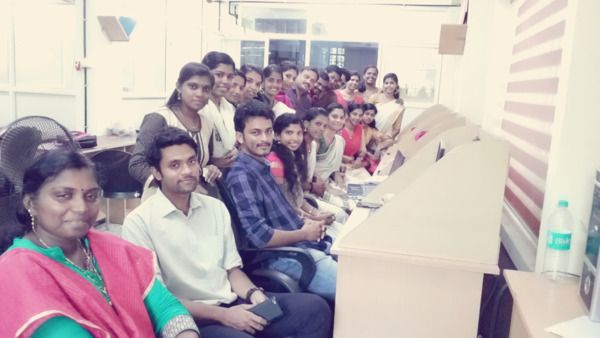
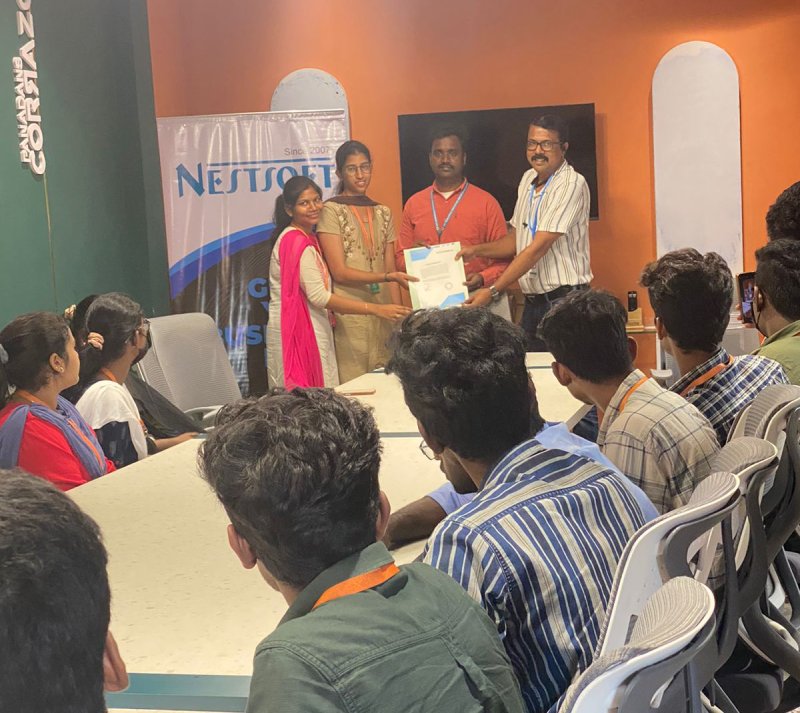
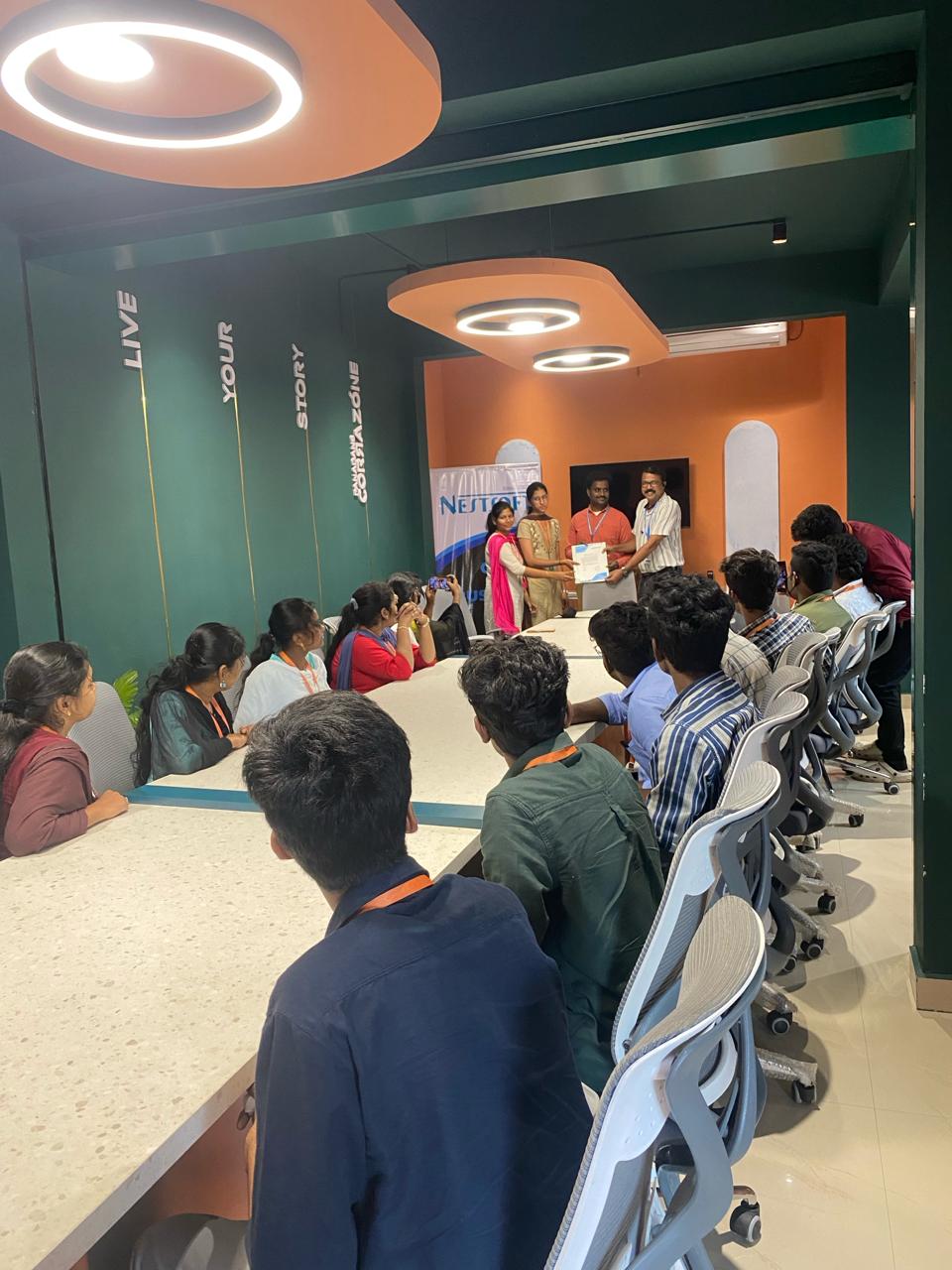
Our Training/Internship Process

System Administration - Syllabus, Fees & Duration
MODULE 1
- System administration introduction, policies, overview, UNIX history and basis
MODULE 2
- File systems and disks
MODULE 3
- Software installation concepts
MODULE 4
- Multi users basics, politics, policies and ethics
MODULE 5
- Automating administrative tasks
MODULE 6
- Networking
MODULE 7
- Backup and disaster recovery
MODULE 8
- DNS
MODULE 9
- SMTP, HTTP
MODULE 10
- Configuration management
MODULE 11
- Distributed computing
MODULE 12
- SNMP, monitoring
MODULE 13
- System security
This syllabus is not final and can be customized as per needs/updates
- Since 2001, Making IT Experts by Experts
- Duration: 25 Hours (Vary as per your skill)
- Course Fees
- Individual Live Classes (1:1)
- Batch Classes @ Low Fees
- Training on Your Time, Any Where
- Access to Recorded Videos
- Practical Internship on Projects
- 100% Placement Support by our jobsHybrid.com
- Training/Internship Certificate
Course Highlights


 You'll also learn how to manage and configure servers, as well as how to manage PCs, user information, and user productivity using industry tools. This course will teach you about the infrastructure services that keep all businesses, big and small, running smoothly.
When signals halt, system administrators alter cables to repair the transmission media. Computer scientists research to develop new IT approaches that are both effective and efficient.
A system administrator's responsibilities include the following:
System administrators are in charge of managing, maintaining, and configuring commercial computer systems on a day-to-day basis.
Large companies provide opportunities for system admins to advance through promotions.
All of the important components of the corporate computing infrastructure are managed by system administrators. These experts may go on to become technology and IT managers in the future.
They are IT-savvy and can troubleshoot any technical issues that are causing the system to malfunction. Systems administration is the division of information technology that is in charge of keeping multi-user computer schemes up and running.